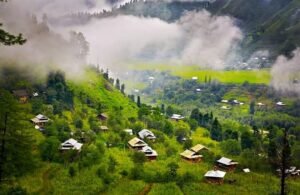
I’ve lived in Leepa Valley my whole life, and I still stop in my tracks when the morning light hits the mountains. Some things you just never get used to — the smell of pine after rain, the sound of the Qazi Nag stream rushing down from the glaciers, and the way the whole valley turns golden in autumn. This isn’t a place I read about in books. This is home. And if you’re planning to visit in 2026, let me tell you everything you need to know — the way a local would.
Where Exactly Is Leepa Valley?
Leepa Valley sits in the Hattian Bala district of Azad Kashmir, about 110 kilometers from Muzaffarabad, right up near the Line of Control. Before 1947, this whole area was part of Karnah tehsil in Kupwara district. Partition drew a new line through the mountains, and Leepa ended up on this side. But the culture, the language, the food, the wooden houses — all of that still carries the old Kashmiri soul.
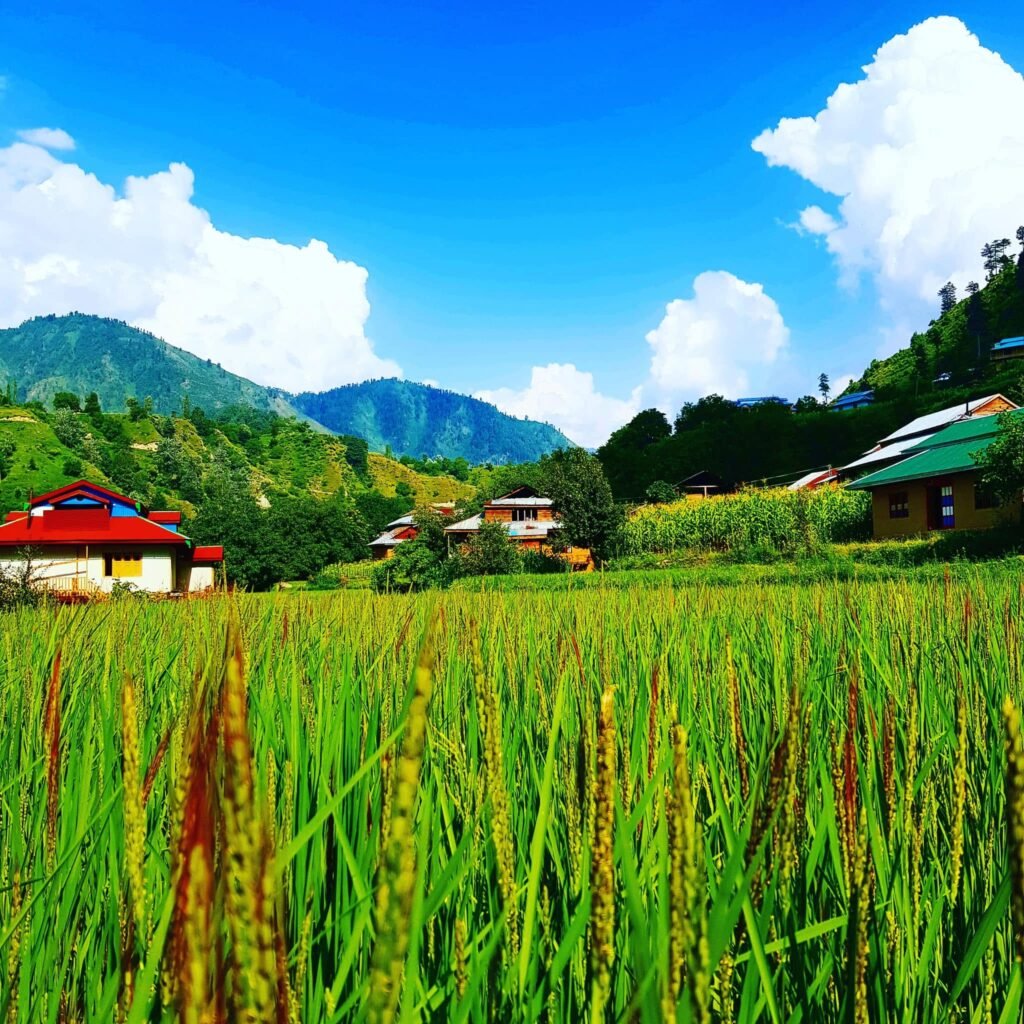
The valley stretches about 9 to 10 kilometers in total and is made up of more than 30 villages. Leepa Khas, Mandal, Kesar Kot, Said Pura, Talwari, Batliyan, Bijildar, Antlian, Ghai Pura, Lab Gran, Sad Pura, Chatkrian, Chak Muqam, Ghasla, Bana Mola, Amroi, Moji, Mandakli, Nokot, Khewara, Kali Mandal, Mandi Kali Bela, Gapdori, Chanian, Chamola, Treda — these aren’t just names on a map to me. These are neighborhoods. These are where my friends live. Some of these villages are so small you could walk through them in ten minutes, but every single one has its own story.
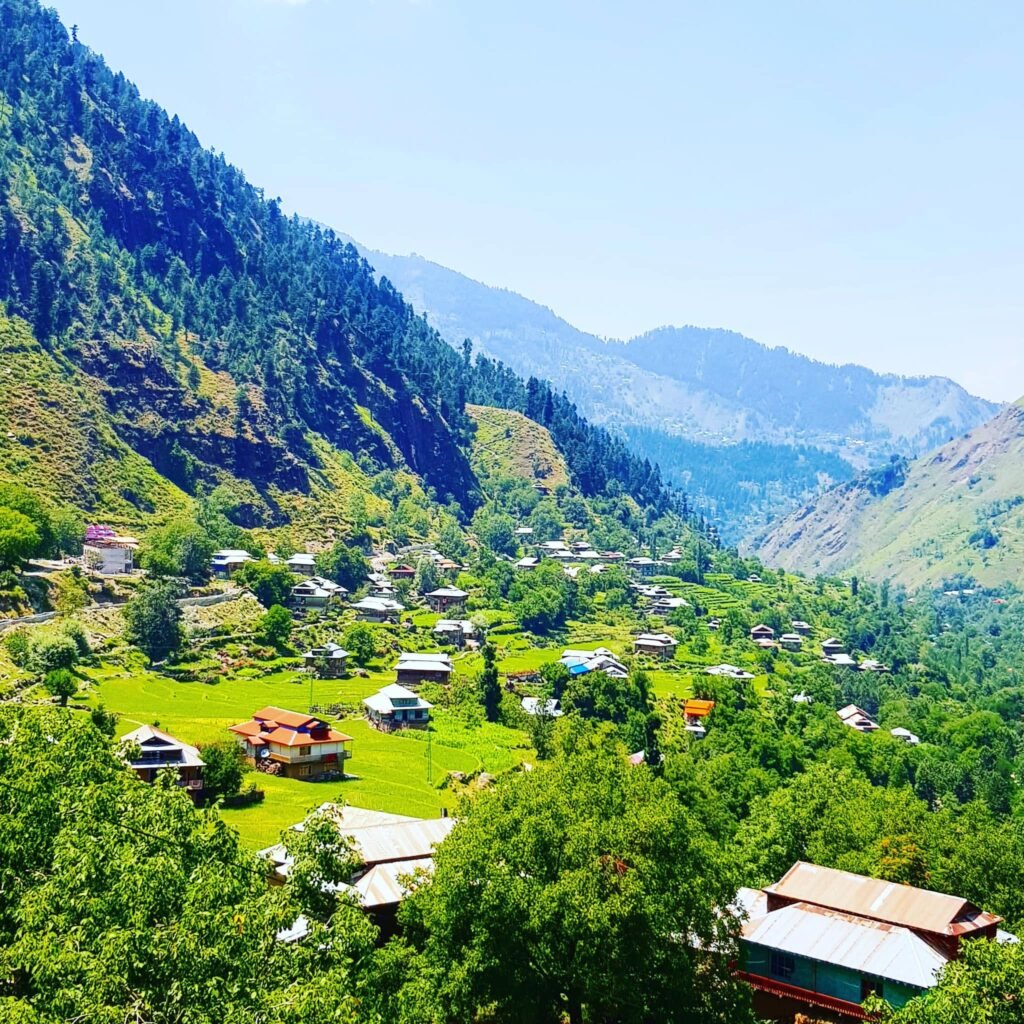
The population here runs somewhere between 60,000 and 80,000 people. Most families farm maize, keep a few goats, and live off the land the way their grandparents did. Nobody’s in a hurry here. That’s the first thing visitors notice.
How You Actually Get Here
Let me be honest with you — the journey to Leepa is not a straight, easy drive. But that’s part of what makes it worth it.
You start from Muzaffarabad and head toward Hattian Bala. A little past Hattian, on the Chakothi Road, you’ll see a bridge on your left that’s the Neeli Bridge. Cross it, and the real journey begins. From there, the road climbs and winds through some of the most beautiful villages you’ll ever see. Lamnian, Reshian, and then higher up, Dao Khan a small tourist spot perched on a high mountain that most people stop at for tea and photos.
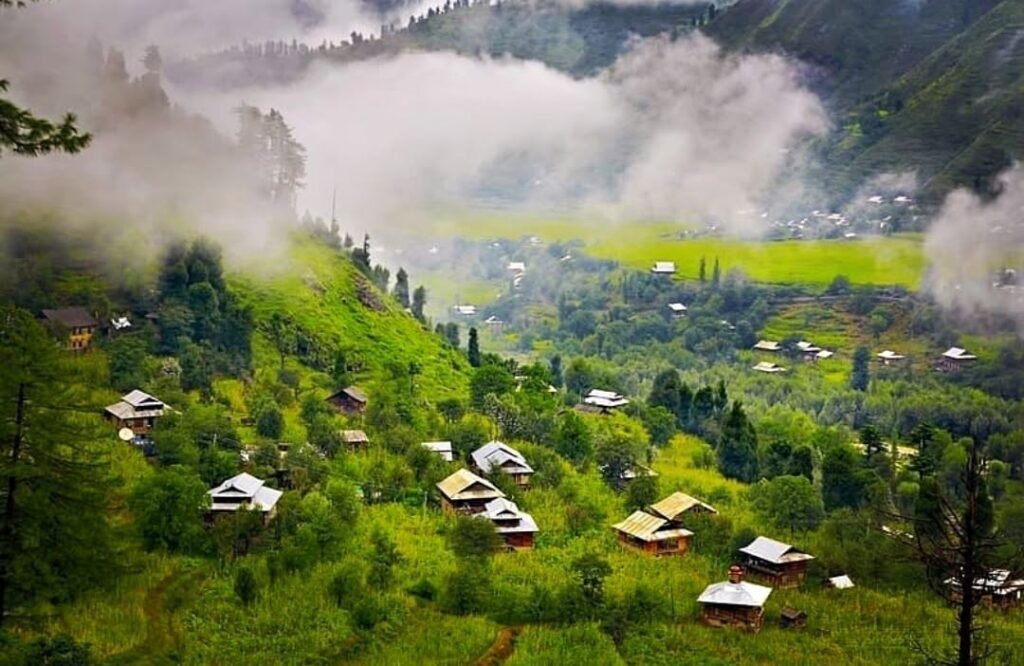
If you’re coming from Islamabad, the drive is around 5 to 6 hours to Reshian. You can take a bus from Muzaffarabad to Reshian — it costs about 400 rupees and takes 5 to 6 hours. From Reshian to Leepa, you’ll need a jeep. Shared jeeps cost around 2,000 to 3,000 rupees and take about 45 minutes.
And here’s some good news — since 2025, you no longer need an NOC (No Objection Certificate) to visit. Your passport or national ID card is enough. But you’ll still need to register at the Reshian check post. That’s just how it works here.
One thing I always tell visitors: the last 8 kilometers before Reshian are rough. If you’re driving your own car, it’s better to park it and hire a local jeep. Trust me on this one.
When You Should Come
I get asked this all the time, and my answer is always the same it depends on what you want to see.
Summer (May to September) is when Leepa is at its absolute best. While the cities are baking in 40-degree heat, we’re sitting at 20 to 25 degrees during the day. Nights get cool — you’ll need a jacket. The whole valley is green, the streams are full, and the mountains are clear. This is the season I’d recommend for first-time visitors. Everything is alive.
Autumn (September to November) is my personal favorite. The oak forests — and we have a lot of them, mostly Himalayan oak with moss growing thick on the trunks — turn gold and red. The air gets crisp. The light softens. Photographers, this is your season. You’ll understand why when you see it.
Spring (March to May) is when the valley wakes up. Wildflowers start appearing, the snow melts off the lower slopes, and everything feels fresh. It’s quieter than summer, which some people prefer.
Winter (December to February) — and honestly, sometimes longer — the valley gets buried in snow. The Reshian Pass usually closes from December to March. Sometimes it stays closed for five or six months. If you’re a snow lover and you want to come, you need to check conditions carefully and be ready to change your plans. There’s no shame in turning back if the road isn’t safe. The mountains will still be here next year.
What You’ll See Here
Leepa isn’t a place with a single big attraction. It’s the whole package — the villages, the forests, the streams, the terraced fields, the people.
Leepa Khas is the main hub. It’s where you’ll find the market, the schools, and most of the guest houses.
Reshian is the gateway. You’ll pass through it on your way in, and it’s a good place to stretch your legs and buy snacks.
Dao Khan sits high on a mountain and offers sweeping views of the surrounding ranges. Most travelers stop here for a break, and I’d recommend it.
Qazi Nag Nala is the stream that gives life to this valley. It comes from glaciers and springs in the Qazi Nag mountain range on the other side of the Line of Control, and it enters Leepa about three kilometers above Chanian village. The oak forest trail along this stream is one of my favorite walks. The trees are old, the moss is thick, and the water is ice cold even in summer.
The villages — all thirty-something of them — each have their own character. Walk through them slowly. Watch how people live. Say hello. Accept the tea when it’s offered. You’ll learn more about Kashmir here than any museum could ever teach you.
The mountain viewpoints are everywhere. Every curve in the road gives you a new angle. Every hilltop gives you a new perspective. Bring a camera, but also bring your eyes. Sometimes people get so busy taking photos they forget to actually look.
What to Do While You’re Here
Walk Through the Villages
This is the best thing you can do. Forget the itinerary. Just walk. Visit Leepa Khas, Mandal, Chanian — any of them. Sit with a farmer. Watch the children play cricket on a terraced field. Learn how maize is ground by hand. These are the moments you’ll remember.
Sit by the Stream
Find a spot along the Qazi Nag Nala. Take off your shoes. Put your feet in the water. Listen. That’s it. That’s the activity.
Take Photos
From the winding mountain roads to the traditional wooden houses to the changing seasons, Leepa is a photographer’s dream. But please — ask before you photograph people. It’s just respectful.
Eat the Local Food
You haven’t tasted anything like makki ki roti with fresh butter and a cup of kahwa. The corn here is grown on terraced fields and ground by hand. The difference in taste is real.
Hike the Oak Forest Trails
The oak belt here sits between 2,000 and 2,400 meters. The Himalayan oak trees are old and huge, and their trunks are covered in moss that can be an inch thick. Walking through these forests feels like stepping into another world.
Just Slow Down
I mean it. Don’t try to see everything in one day. Don’t rush from village to village. The whole point of coming to Leepa is to slow down. If you leave here feeling like you need a vacation from your vacation, you did it wrong.
Where to Stay
There aren’t big hotels here. That’s not what Leepa is about. But there are comfortable places to stay, and one of the best is Leepa View Guest House.
It’s located on the main road in Leepa, near the Read Foundation Science College. It’s a family-run place, and they take care of their guests. The rooms are clean, there’s hot water (which matters more than you think in the mountains), heating for the cold nights, and a kitchen that serves fresh local food.
What you get:
- Free WiFi (though it can be slow when the weather is bad)
- Free parking
- Family rooms
- Attached bathrooms
- Heating
- 24-hour front desk
- Room service
- Transportation arrangement
Check-in: 12:00 PM
Check-out: 12:00 PM
Cancellation: Free up to 72 hours before check-in
There are also Tourism Rest Houses and Forest Rest Houses in places like Dao Khan, and some seasonal tent camps. But for a reliable, comfortable stay, Leepa View Guest House is where I’d send my own friends.
One piece of advice: Summer is busy. Book ahead. Don’t show up expecting a room and then get stuck.
Things You Need to Know Before You Come
Bring cash. There’s no ATM in Leepa Valley. No UPI, no card payments, nothing. Bring at least 15,000 rupees for two days. There’s an ATM in Reshian, but it doesn’t always work. Don’t rely on it.
Check the roads. Mountain weather changes fast. In winter and during heavy rain, roads can close without warning. Ask locally before you travel.
Get a SCOM SIM. This network have the best coverage in the valley. Other networks won’t work.
Pack properly. Warm clothes, medicines, power banks, good shoes. Even in summer, the nights get cold.
Respect the people. This is our home. Dress modestly, ask before taking photos, and don’t leave trash behind. It’s not hard.
Give yourself extra time. Mountain travel takes longer than you expect. Don’t plan a tight itinerary. Enjoy the journey.
Hire a local jeep for the last stretch. The road from Reshian to Leepa is rough. Your car will thank you.
Why Leepa Is Worth It
There’s a reason I still live here. It’s not because it’s easy — life in the mountains is hard. It’s because this place has something you can’t find in the cities anymore. Peace. Real peace. The kind that settles into your bones.
You won’t find shopping malls or fancy restaurants here. You’ll find something better. You’ll find quiet. You’ll find mountains that make you feel small in the best way. You’ll find people who still have time to sit and talk. You’ll find air so clean it almost hurts to breathe.
If you’re tired of crowds and noise and screens, come to Leepa. Stay a few days. Walk. Sit by the stream. Eat with a local family. Watch the sun set behind the mountains. You’ll go home different.
Plan Your Trip
If you’re thinking about visiting Azad Kashmir in 2026, put Leepa Valley on your list. It’s not the easiest place to get to, but that’s exactly why it’s still beautiful. The road is part of the experience. The slow pace is part of the charm.
Stay at Leepa View Guest House and see this valley the way locals do.
Contact us to check availability and plan your stay. We’ll help you figure out the best time to come, how to get here, and what to see while you’re here.
Frequently Asked Questions
What’s the best time to visit Leepa Valley?
Summer (June to September) is the best season for most visitors. The weather is pleasant, the valley is green, and everything is accessible. Autumn is beautiful for photography, and winter is for snow lovers who don’t mind unpredictable roads.
How do I get to Leepa Valley?
Take the Muzaffarabad–Hattian Bala–Reshian route. Cross the Neeli Bridge on Chakothi Road and continue toward Leepa. From Reshian, hire a jeep for the final stretch. Check road conditions before you travel.
Where should I stay in Leepa Valley?
Leepa View Guest House is a comfortable, reliable option on the main road in Leepa. It’s a good base for exploring the valley and surrounding villages.
Is Leepa Valley good for families?
Yes. Families who enjoy nature and peaceful surroundings will love it here. Just plan around the weather and road conditions.
What should I see in Leepa Valley?
Don’t miss Leepa Khas, Reshian, Dao Khan, the traditional villages, the oak forests along Qazi Nag Nala, and the mountain viewpoints. But honestly? Just walk. You’ll find your own favorite spots.
Some of the photos in this guide were taken by me on my phone. Others came from social media platforms. All of them show the real Leepa Valley — the place I’m lucky enough to call home.
Ready to see it for yourself? Leepa Valley is waiting.